
Rebel Venetian
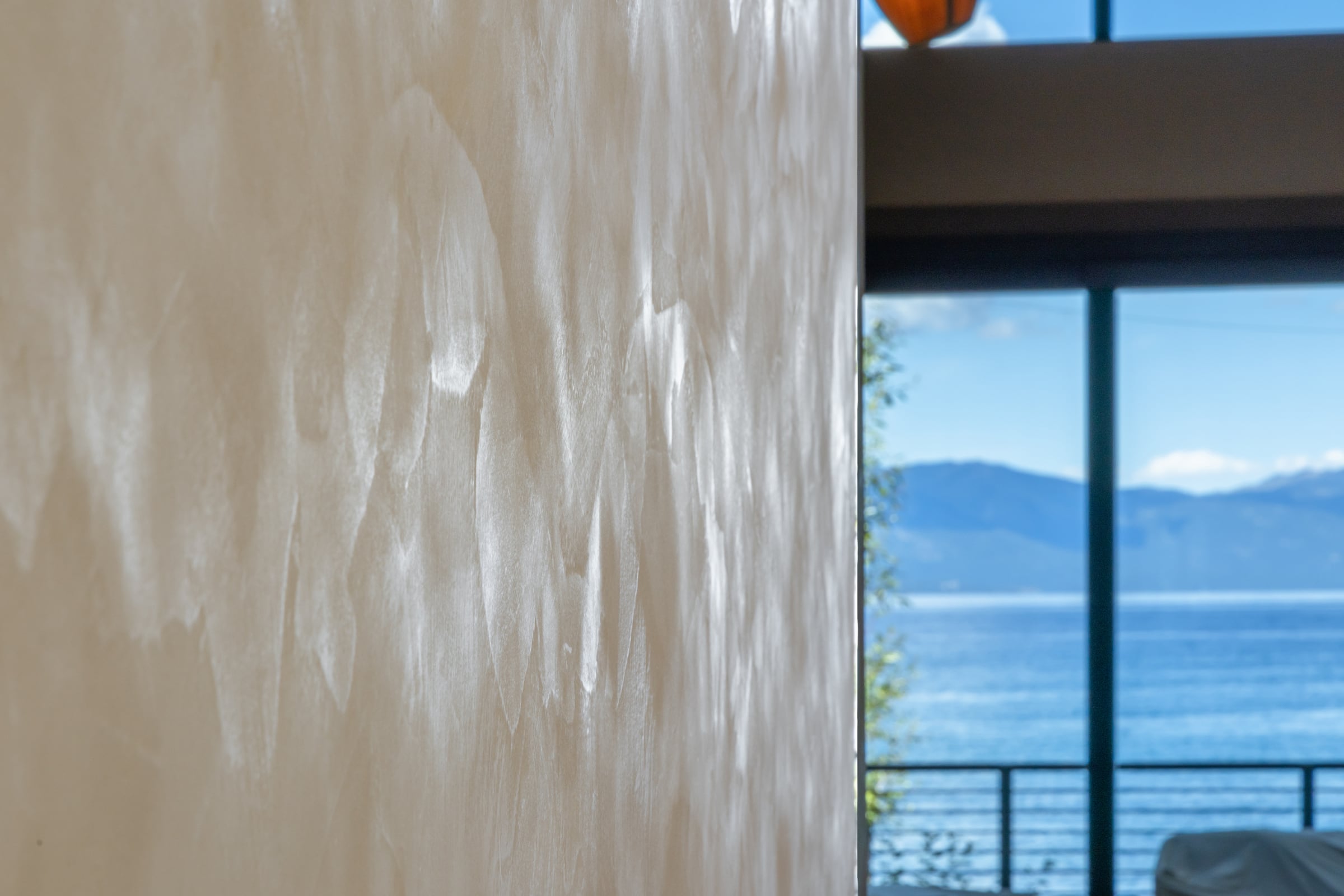
A polished plaster wall beside a window looking out over Lake Tahoe

Why plaster

Paint covers a wall. Plaster becomes one.

Most people meet Venetian plaster in a hotel lobby or a restaurant and don't know what they're looking at. They just know the room felt better. That's the whole thing: it's lime and marble dust, troweled on wet in layers and burnished by hand, so the surface has depth instead of a color sitting on top of it.

01

It moves with the light

A painted wall looks the same at nine in the morning and six at night. Plaster doesn't. The layers underneath catch light differently as the sun comes around, so a wall you chose for one reason keeps giving you another. Clients describe the same wall as soft in the morning and moody at dusk, and they're both right.
02

You want to touch it

This is the part nobody expects. Plaster has a temperature and a texture, and people put their hands on it without thinking about it. Kyle runs his fingers along the hallway wall in his own house every time he walks down it, fifteen years into doing this for a living. A painted wall has never once made anyone do that.

03

Paint dies. Plaster ages.

Plaster is a lifelong surface. It's natural stone, and like stone it changes patina over the years and gets more beautiful for it. That's why the plaster you walk past all over Europe still looks the way it does. Paint is acrylic. It's plastic, and plastic just dies, so it has to be refreshed or repainted. You have never seen an aged piece of plastic that looks beautiful. Stone, leather and wood all get better with age, and this is the same bet.

From people who live with it

Incredible eye, incredible at his craft. No one does the stuff he's doing out here.
Korben Boaz Google review
The quality of the work and materials, the timeliness, the communication are all some of the most professional I have ever worked with.
Darin Pepin Google review
Beautiful, creative work across multiple areas of our house. The quality exceeded our expectations, and everything was completed on time.
Amy Spanier Google review
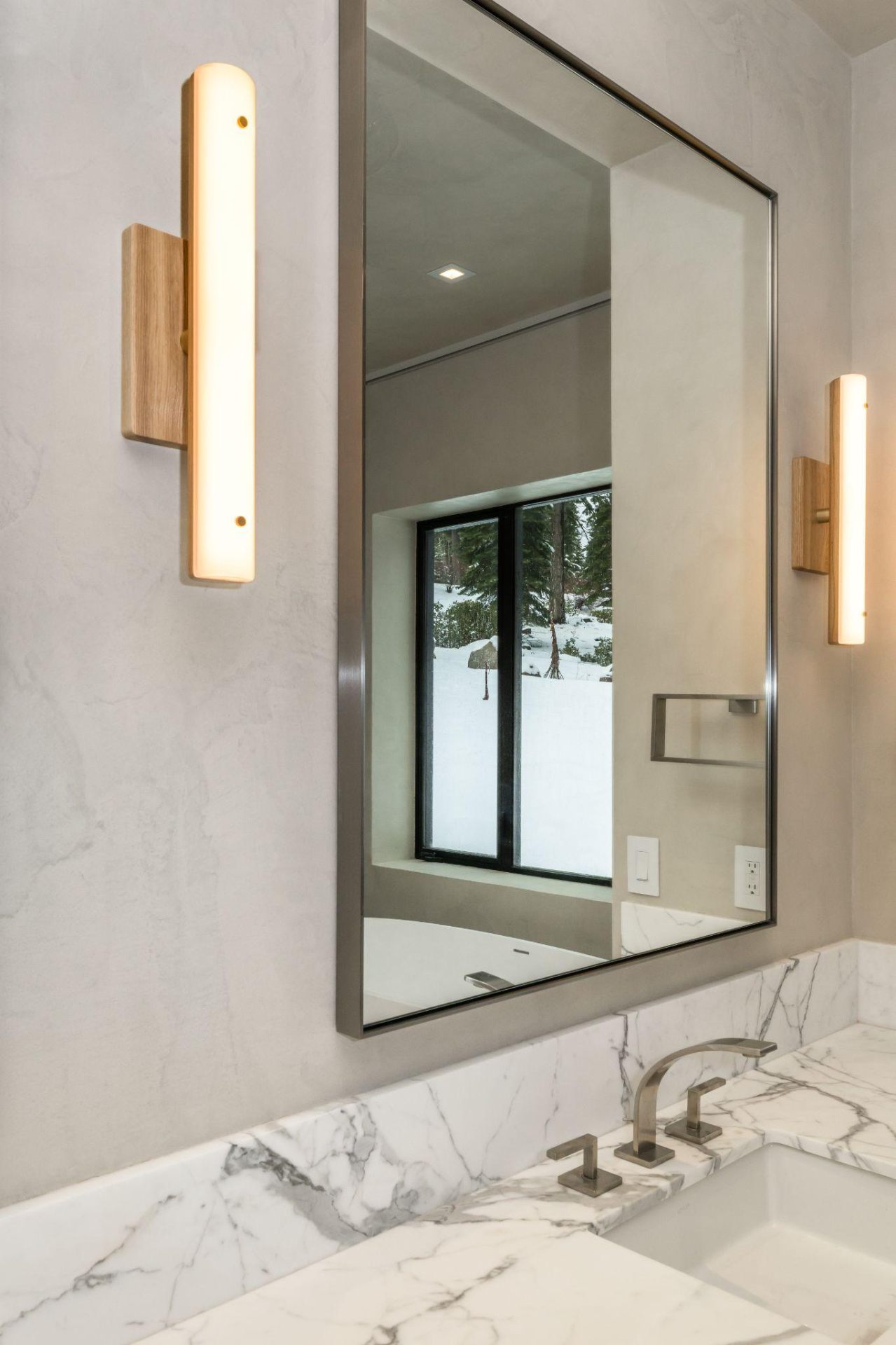
A plaster bathroom wall with a marble counter

Showers and wet rooms, with no grout lines

The waterproof wall-to-floor system is the one that surprises people. It's a continuous surface, so there's no tile grid and no grout to scrub or reseal. In a Tahoe bathroom that's both a look and a maintenance answer.

See the waterproof finish  →

Where Kyle stands

You can always paint it. Kyle thinks you shouldn't.

Plenty of people paint, and it costs less on the day. But this is a house you live in, or a room your customers choose to sit in, and the surfaces are most of what you feel there and almost none of what anybody thinks about. Kyle's position isn't complicated: the places you spend your life should be worth touching. Paint has never once made someone run a hand along a wall.

If you're in

There are six finishes, and they do very different things.

Questions

How long does Venetian plaster last?

It's a lifelong surface. Lime plaster is natural stone, and like stone it changes patina over the years and gets more beautiful for it, which is why the plaster walls all over Europe still look the way they do. Paint is acrylic, so it's plastic, and plastic just dies. It has to be refreshed or repainted. You have never seen an aged piece of plastic that looks beautiful, but stone, leather and wood all get better with age. You're investing in something that's going to improve.

Is Venetian plaster more expensive than paint?

Up front, yes. It's hand-applied and takes multiple coats over multiple days. Over the life of the wall the comparison changes, because you aren't repainting every few years. And a whole house done in plaster is a different thing to live in than one accent wall, which is most of what we do.

Can it go in a bathroom or a shower?

Yes. The waterproof wall-to-floor system is built for wet rooms and gives you a continuous surface with no grout lines.

Does it crack?

We do everything we can to test and check the substrates to prevent it. But a plaster wall has no seams, and these houses are built on Mother Nature, and Mother Nature has a tendency to move. So hairline cracks are possible, the same way they are in a concrete floor. They're purely cosmetic and they bring a little character to the wall. Kyle considers them wabi-sabi, and beautiful. They shouldn't really happen. If they do, you can thank us later.

Can it go over existing drywall?

Yes, and that's the usual case. New construction and freshly hung drywall, or an old house with an existing texture on the walls. We smooth that out and build something beautiful on top of it. It also goes over almost any other substrate: floors, old countertops, tile. There's a way to make something magical out of what you already have.

How do I clean it?

Start with water. If that doesn't do it, step up to a gentle soap. And because it's stone, you can sand the surface back with 220 grit. There's more than one way to clean it, which is also true of repairing it.

Can it be repaired if it gets damaged?

Yes, and far more easily than paint. A painted wall is smooth and uniform, so damage shows, and so does the touch-up. Plaster has movement and depth all the way through it, which means a lot more forgiveness. We can touch up a damaged spot and have it disappear into the wall. We'll also show you the general maintenance to keep them looking right, and anything you'd rather not handle yourself, we come back and take care of.

None of this settles it. Standing in front of it does.

Every finish is on the wall in the Truckee showroom. Visits are by appointment, so Kyle is there and the hour is yours.